The Origins of Sea Witchcraft
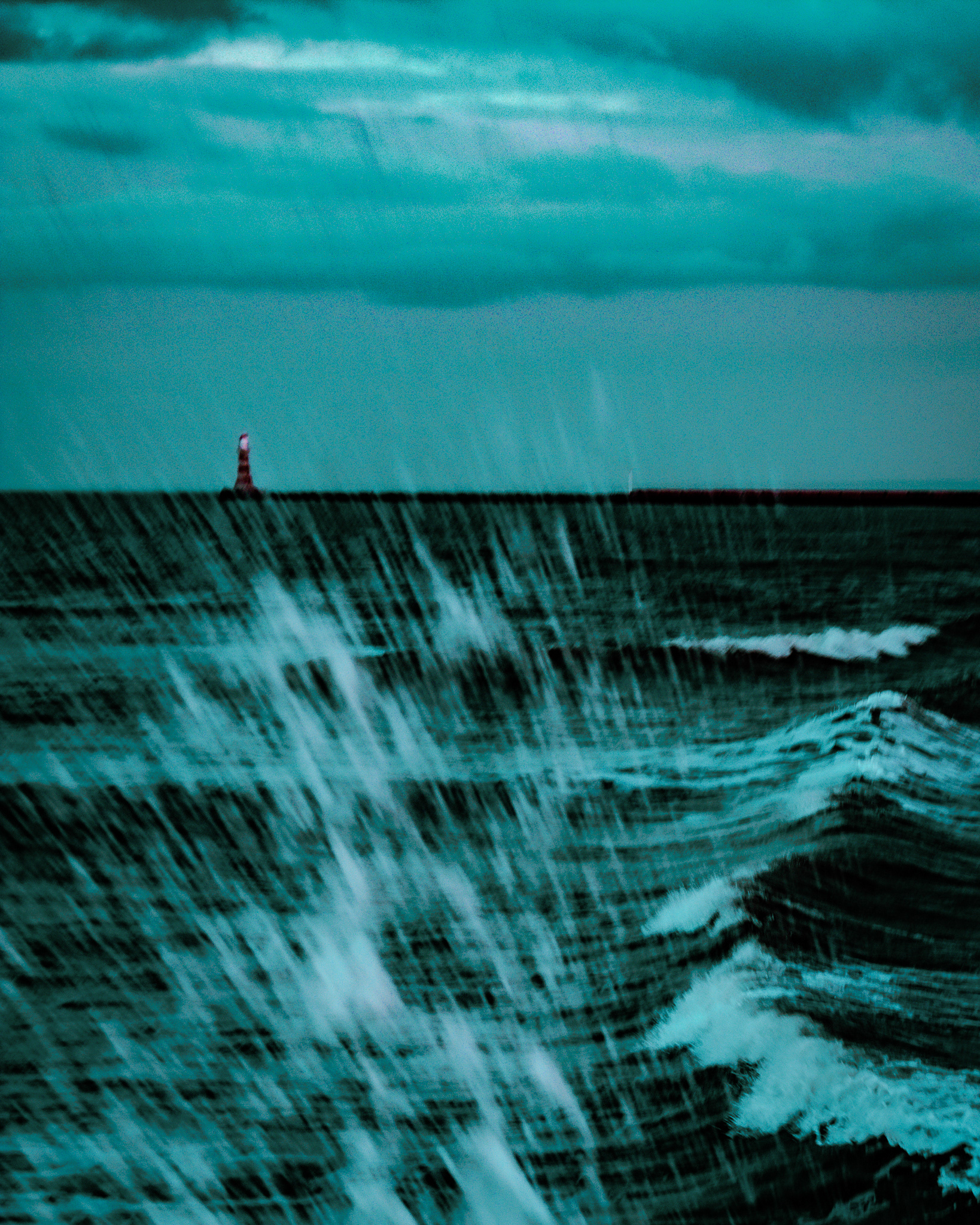
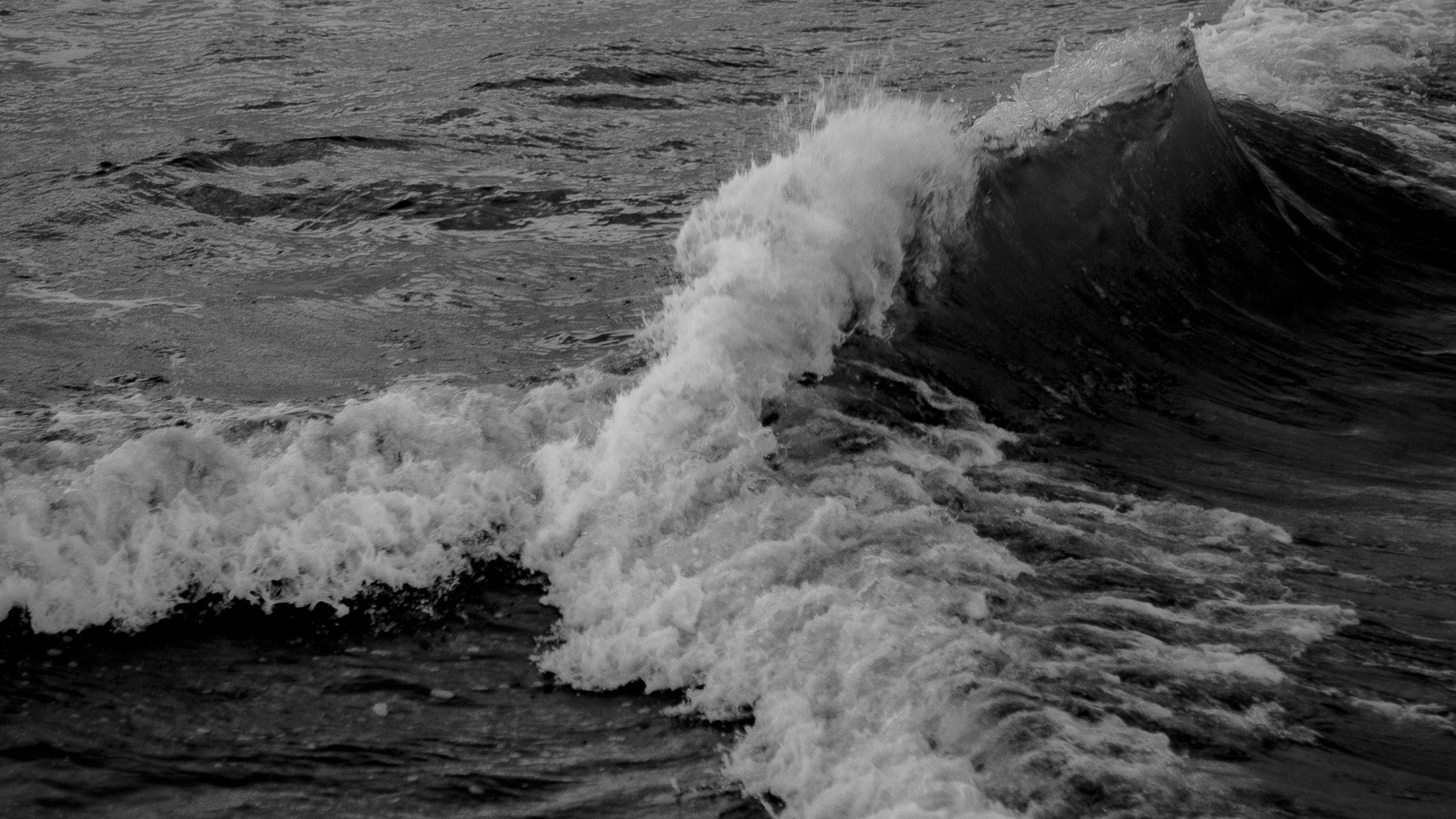
Sea witchcraft feels ancient, salt-soaked, and half-remembered — like a spell whispered into the wind and carried across generations. Long before it became a modern spiritual aesthetic, sea-based magic was woven into daily survival, folklore, and reverence for the natural world. Its roots lie in coastal communities, myth, and humanity’s enduring relationship with the ocean.
The Sea as a Sacred and Dangerous Force
For most of human history, the sea was both provider and threat. It offered food, trade routes, and livelihoods, but it could just as easily take lives without warning. This duality made the ocean deeply spiritual. Coastal peoples across the world developed rituals, charms, and offerings intended to appease sea spirits, gods, and ancestors.
In this context, sea witchcraft wasn’t a separate belief system — it was practical magic. Fisherfolk blessed nets, sailors carried talismans, and communities marked tides, storms, and lunar cycles with ritual observance. Magic lived alongside work, woven into the rhythm of daily life.
Folklore, Spirits, and Mythic Figures
Many cultures tell stories of powerful beings tied to the sea: mermaids, selkies, nixies, sirens, rusalki, and water hags. These figures were not merely stories for entertainment; they encoded warnings, moral lessons, and respect for the ocean’s power.
Women associated with the sea — healers, wise women, midwives, and weather-workers — often occupied a liminal space in folklore. They were seen as both necessary and dangerous, capable of calming storms or calling them forth. Over time, these figures blurred into what we might now recognise as the archetype of the sea witch.
Ancient Practices and Coastal Magic
Sea witchcraft draws from many ancient practices:
Tide and moon magic: The moon’s influence on tides made lunar cycles essential to coastal ritual and timing.
Herbal and mineral knowledge: Seaweeds, salts, shells, and coastal plants were used for healing, protection, and divination.
Offerings and votives: Objects cast into the sea — coins, food, carved figures — were acts of reciprocity.
Weather working: Charms for safe passage, favourable winds, or calm seas were common among sailors and fishing communities.
These practices existed in Celtic coastal regions, the Mediterranean, Scandinavia, West Africa, East Asia, and the Pacific Islands, each shaped by local ecology and belief systems.
Gods, Deities and Divine Waters
Across ancient cultures, the sea and freshwater were ruled by powerful gods whose moods mirrored the unpredictability of water itself. In Greek mythology, Poseidon governed the oceans, earthquakes, and storms, wielding his trident to shatter coastlines or still the waves. The Romans adopted him as Neptune, maintaining his association with naval power, horses, and the vast unknown depths. In Norse cosmology, water deities were closely tied to fate and danger: the sea giant Ægir hosted the gods in his ocean hall yet was also feared for shipwrecks, while Rán, his wife, was said to drag sailors to the depths with her net. Rivers, springs, and wells were also sacred across these cultures, inhabited by nymphs, spirits, and local gods. These divine figures reinforced the idea of water as a conscious force — something to be honoured, negotiated with, and never taken lightly.
Christianity, Fear and the ‘Witch’ Label
As Christianity spread through Europe, older sea-based beliefs were often demonised. Practices once considered protective or sacred became labelled as superstition or witchcraft. Coastal women with deep knowledge of tides, storms, and healing were especially vulnerable to suspicion.
The sea witch, as a feared figure, emerged during this period — less a reflection of reality and more a projection of cultural anxiety around female power, nature, and the unknown.
Modern Sea Witchcraft
Today, sea witchcraft has been reclaimed as an earth-honouring, intuitive practice rooted in respect for the ocean. Modern sea witches often focus on:
Environmental responsibility and conservation
Ancestral and folklore-based practice
Emotional and intuitive work linked to water symbolism
Slow, intentional ritual aligned with natural cycles
Rather than domination or fear, contemporary sea witchcraft emphasises relationship — with the sea, the self, and the wider ecosystem.
A Living Tradition
Sea witchcraft has no single origin. It is a tapestry woven from many shores, shaped by necessity, myth, loss, and reverence. Its power lies not in spells alone, but in attention: listening to tides, honouring cycles, and remembering that the sea has always been alive, watching, and responding.
Whether approached spiritually, symbolically, or creatively, sea witchcraft continues to speak to those drawn to the edges — where land meets water, and certainty dissolves into mystery.
Simple Sea-Inspired Rituals to Try
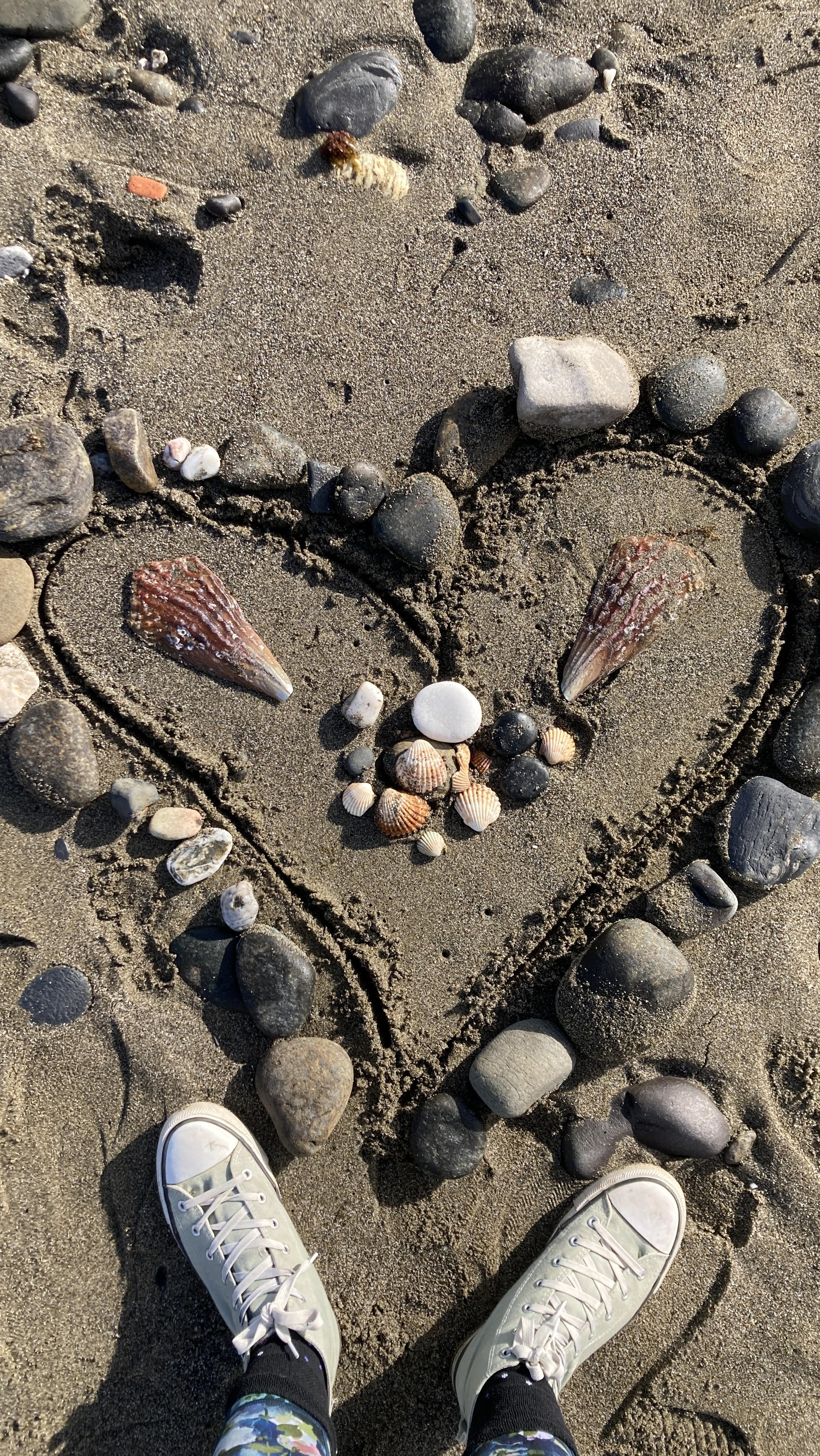
Sea witchcraft does not require elaborate tools or dramatic spells; its power often lies in quiet presence and intention. A simple walking meditation along the shoreline — moving slowly, matching your breath to the rhythm of the waves — can become a grounding ritual, allowing thoughts to rise and fall like the tide. Standing at the water’s edge, you might place your hands into the sea, imagining worries, heaviness, or stagnant energy being gently pulled away and dispersed, returned to the vastness from which it came. When the sea itself is not accessible, its essence can be invited home: adding sea salt or mineral salts to a bath, perhaps with a candle or moment of stillness, can create a cleansing, restorative ritual. These small acts honour water as a living force — one that listens, carries, and renews.
Additional Resources & Bibliography
Hutton, Ronald. The Witch: A History of Fear, from Ancient Times to the Present. Yale University Press, 2017.
Stephens, D.R.T. The Sea Witch’s Treasure: Oceanic Magick: Harnessing the Power of the Ocean and Sea Creatures in Witchcraft. Kindle Edition, 2023
Briggs, Katharine. An Encyclopedia of Fairies: Hobgoblins, Brownies, Bogies. Pantheon Books, 1976.
Cavendish, Richard. The Black Arts. Thames & Hudson, 1967.
Cunningham, Scott. Cunningham's Encyclopedia of Magical Herbs. Llewellyn Publications, 1985.
Ellis, Peter Berresford. Dictionary of Celtic Mythology. Oxford University Press, 1994.
Davidson, H.R. Ellis. Gods and Myths of Northern Europe. Penguin, 1964.
Starhawk. The Spiral Dance: A Rebirth of the Ancient Religion of the Great Goddess. HarperOne, 1999.
Valiente, Doreen. An ABC of Witchcraft Past and Present. Robert Hale, 1984.
Online resource: Theoi Greek Mythology — for Greek sea deities and myths.
Online resource: Norse Mythology for Smart People — for Norse water deities and Æsir myths.