What is HICAT?
You may have seen the acronym HICAT mentioned in my work and wondered what it means. HICAT stands for Holistic Integrated Creative Arts Therapy, a professional approach that brings together creativity, movement, and reflection to support wellbeing.
Through my HICAT training I am able to use the title Creative Therapist.
HICAT recognises that the body, mind, and imagination are deeply connected. In practice, it draws on creative modalities such as dance, movement, visual arts, drawing, paint and writing, helping people explore thoughts, emotions, and experiences in ways that feel embodied rather than purely verbal. It’s particularly useful for those navigating stress, transitions, or recovery, and it values gentle, adaptive, and person-centered approaches.
I completed my HICAT course through Devine Creative Holistic Creative Therapy Education & Wellbeing
It's a 1 year, 20 module, indepth and rigerous course with great support from an assigned course assesor, regular zoom Q&As and a lively online community in the private FB group.
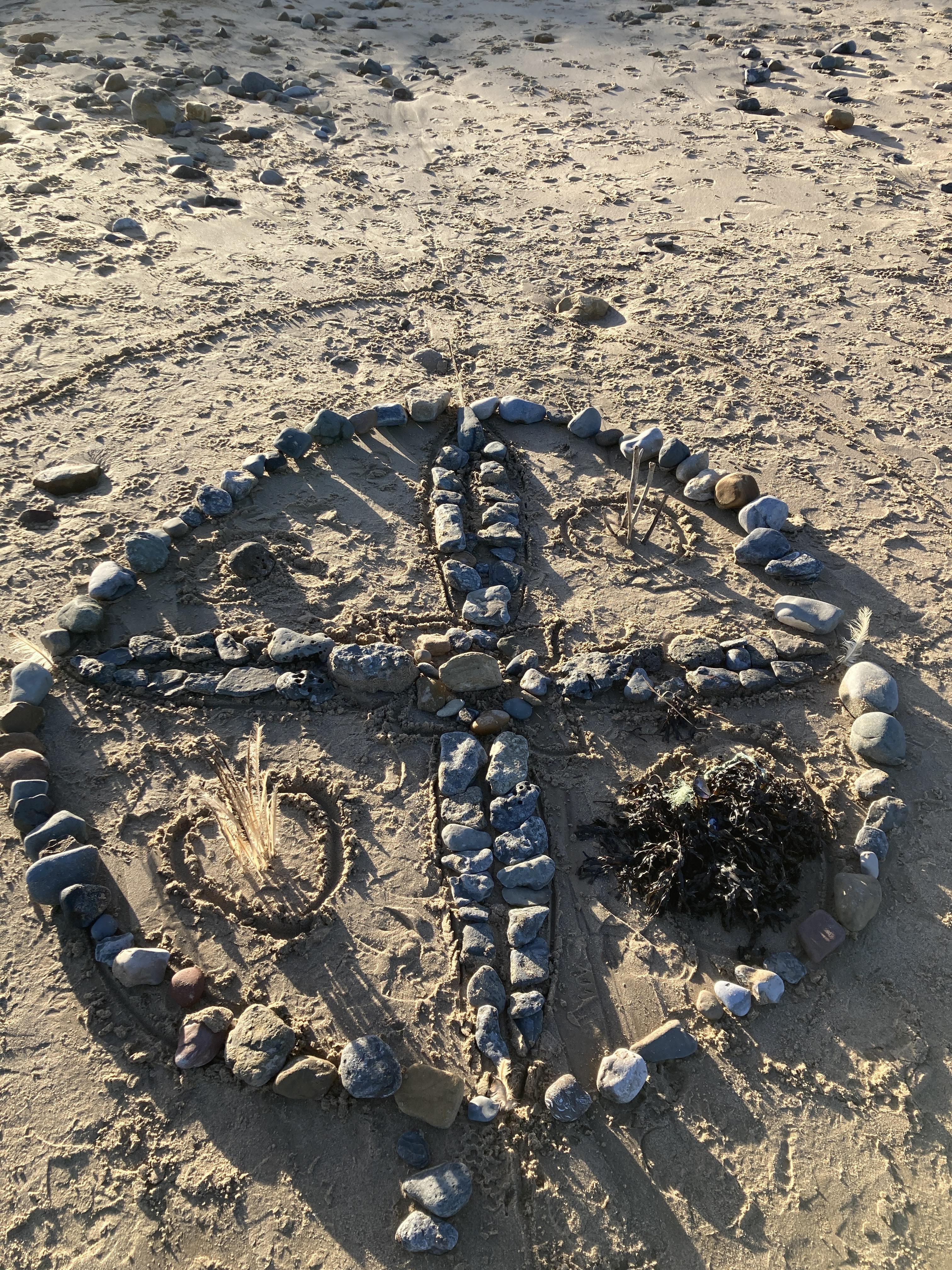
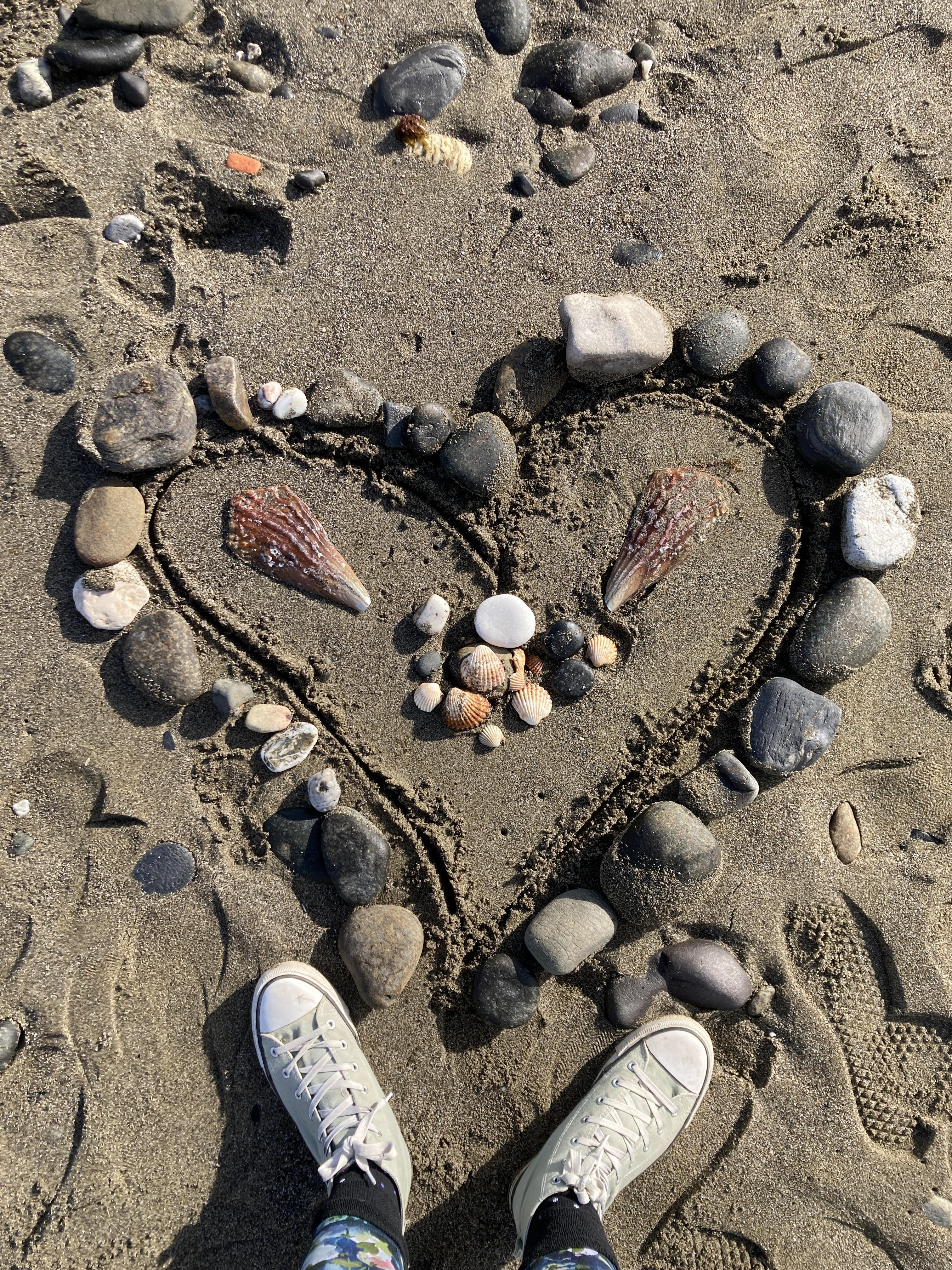
Practical elements included: Creative Arts Therapy (paint, watercolour pencils, charcoal & oil pastels), Tactile Therapy (sculpture, clay, construction, sand play & environmental art-making), Music, Tribal Rhythms, Medicine Drums & Sound Therapy, Dance & Movement Therapy, Role Play, Storytelling, Creative Writing & Drama Therapy.
Theory topics covered in this course included: The cause & effects of stress, The mind/body connection, Physiology of the brain, Unconscious beliefs and mental patterns, Exploring emotions, History of art therapy, Creative therapies & health, Why creative art therapies are effective, Creative art therapies as emotional healing, Creative art therapies for recovery & rehabilitation, Art & developing intuition, Drawing from within, Colour & emotions, Sound, vibration & the body’s cells, Art appreciation Interpretation, Compassion & non-judgment, Learning Styles & personality types, Working with PTSD, Working with anxiety disorders, Working with grief & loss, Working with children, Working with depression, Working in medical settings, Developing community arts projects, Meditation for every day, Meditation in action through art, Meditation with music and movement, Gratitude & art journaling, Holistic counselling skills for creative arts therapists and Ethics, safety & professionalism.
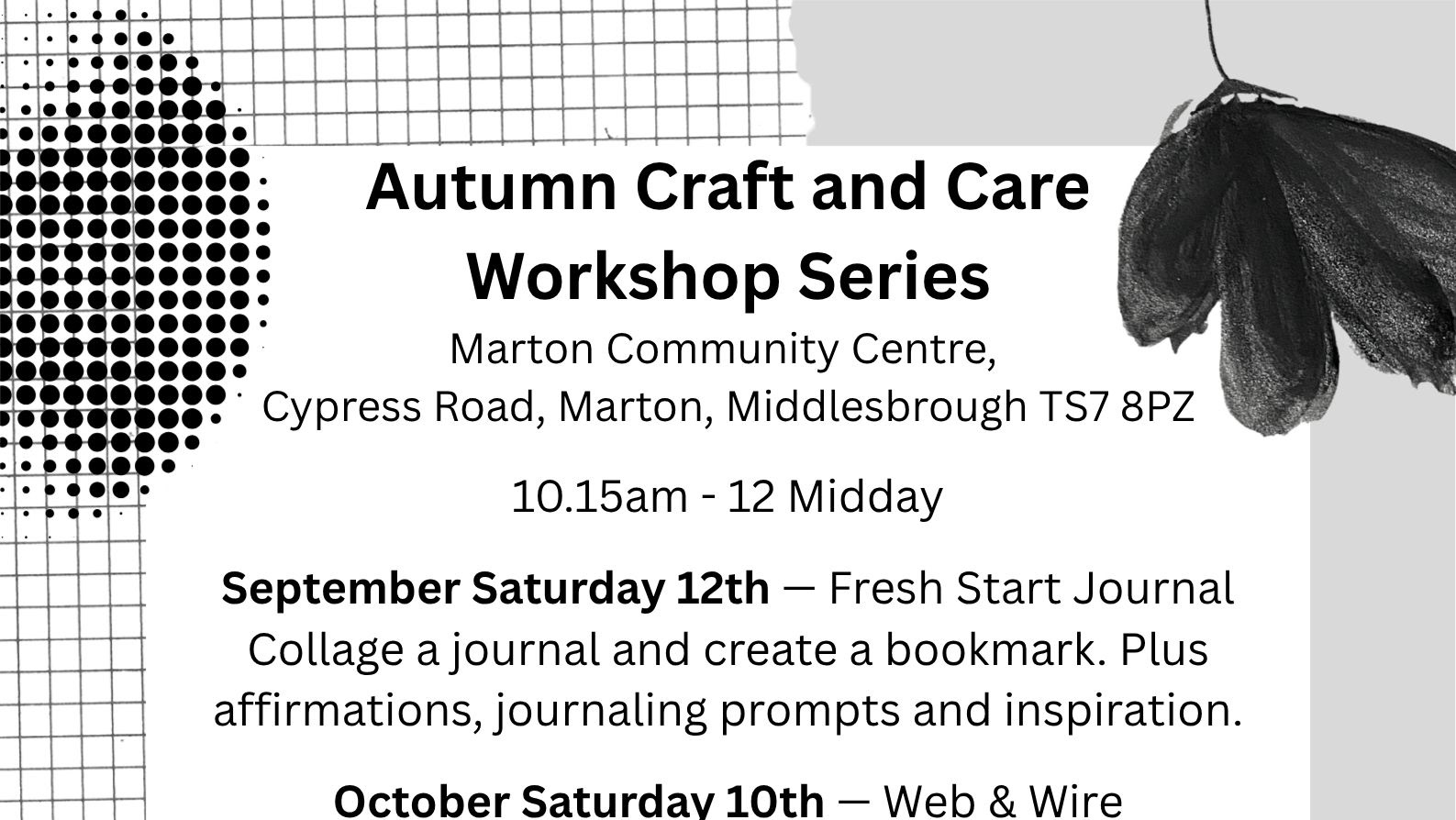
In my work, HICAT informs how I structure sessions, workshops, and reflective practices. It helps me create spaces where people can explore movement, myth, and ocean-inspired noticing safely and meaningfully. The approach is not about performance, fitness, or “getting it right” — it’s about awareness, connection, and creative expression.
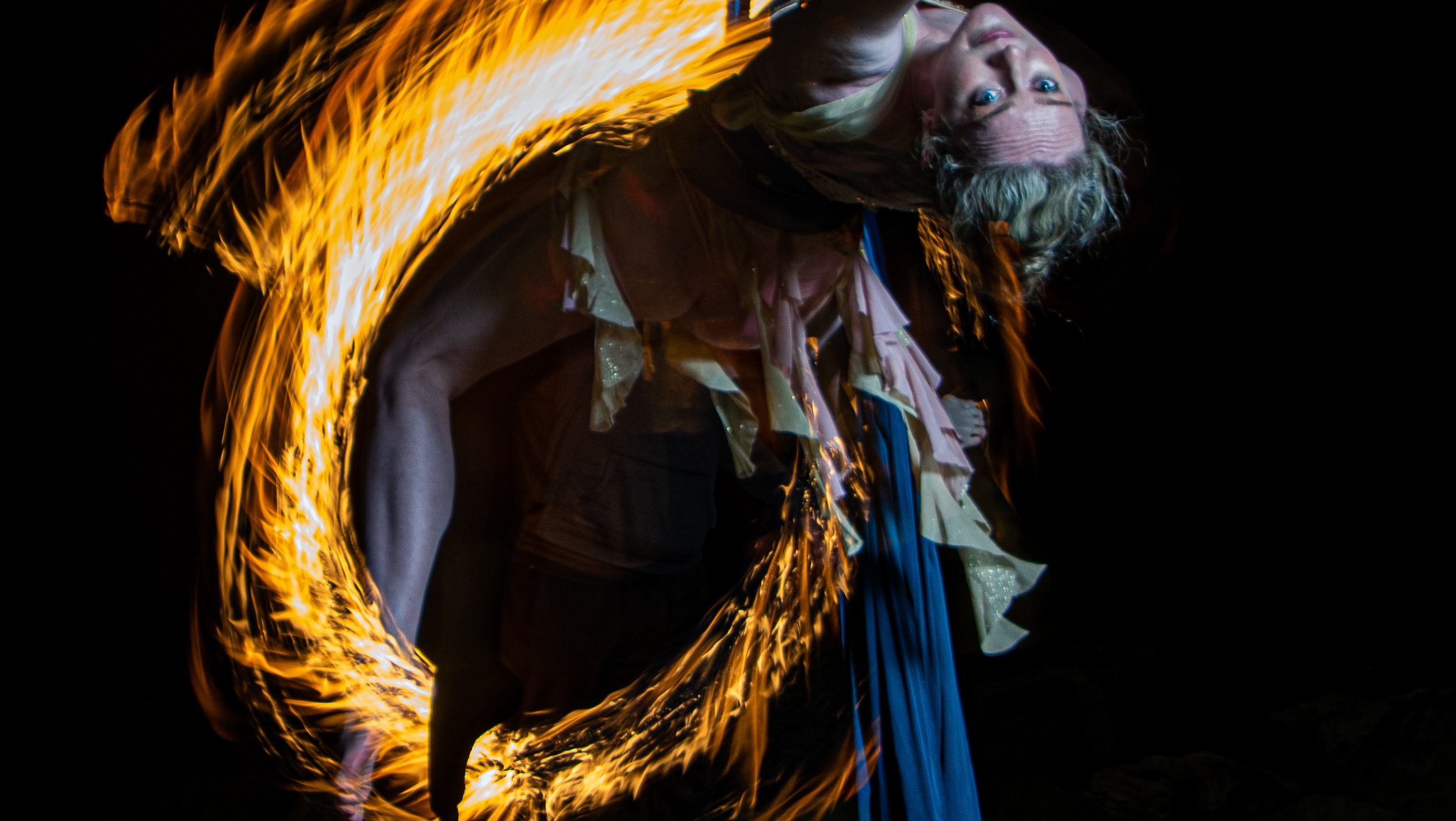
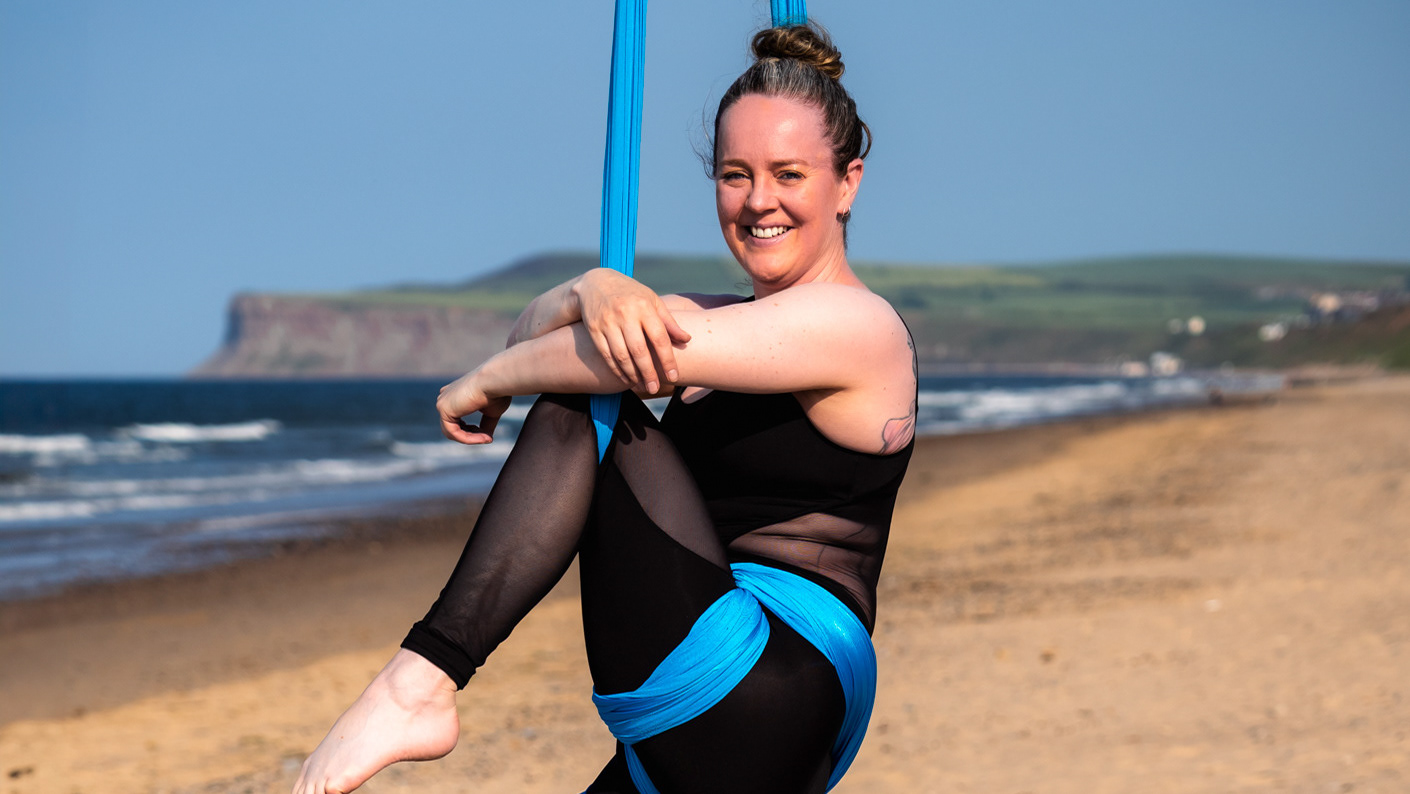
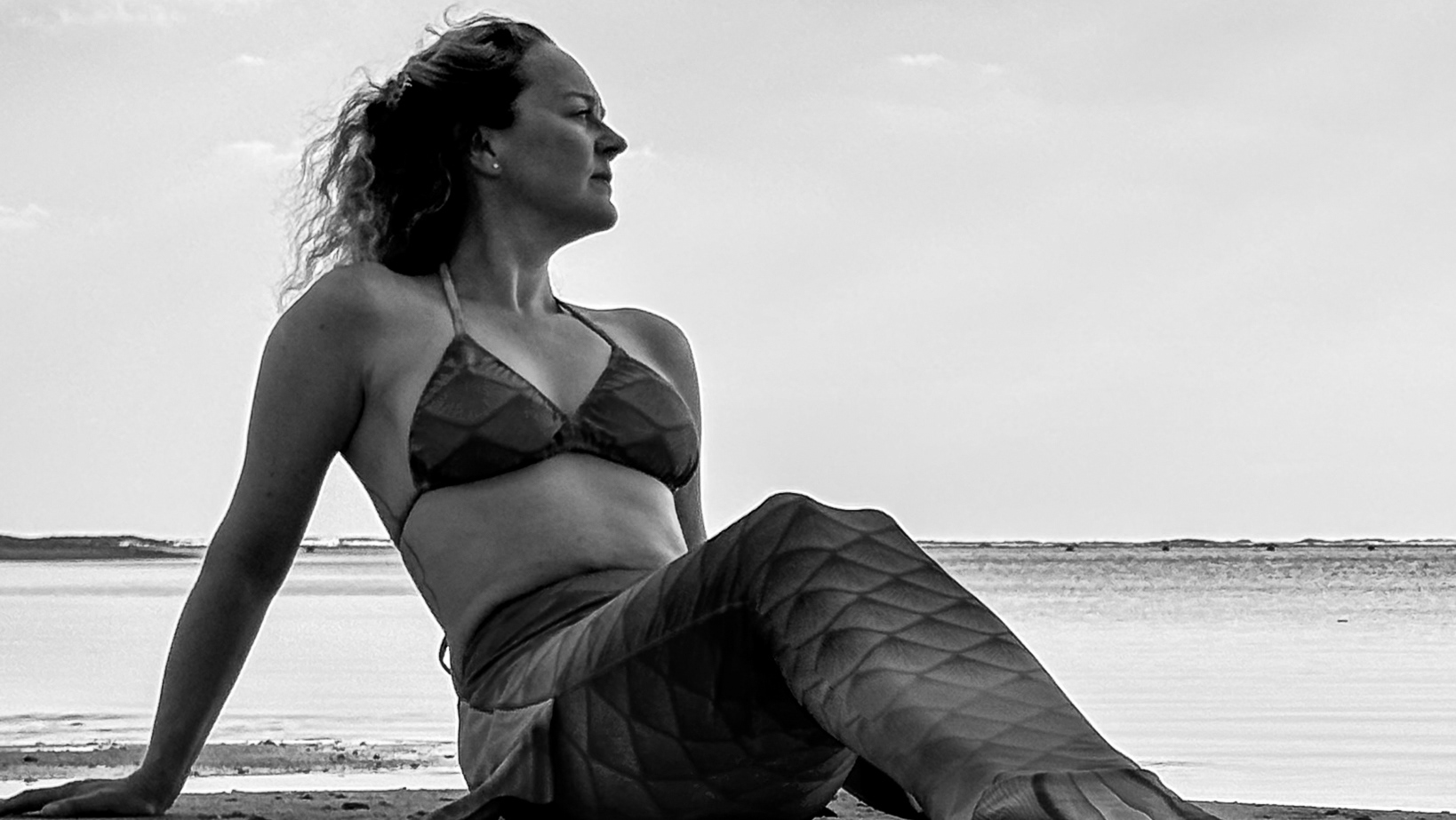
HICAT also sits alongside my other training, including my aerial and dance qualifications and my Ocean Therapy Practitioner certification, allowing me to weave together creative, movement-based, and ocean-informed practices. Whether through aerial or dance sessions, journalling, or mermaid-inspired workshops, HICAT provides a framework for practices that are accessible, supportive, and restorative.
If you’re curious about creative movement, ocean-inspired practices, or reflective workshops, I invite you to explore what Circles & Shadows offers. HICAT is just one of the ways I ensure that each session is thoughtful, safe, and deeply attentive to the people taking part.
Please note that Graduates of the HICAT Course are not Art Therapists, they are Holistic Integrated Creative Arts Therapy (HICAT) practitioners. In the UK graduates can call themselves 'Creative Arts Facilitators' or 'Creative Therapists'.