Honouring the Shadows Without Getting Lost in Them
Shadow is often misunderstood.
It’s spoken about as something to confront, excavate, or “work through” — as if depth requires force, and healing requires descent at all costs. But in my experience, shadow does not ask to be dragged into the light.
It asks to be acknowledged.
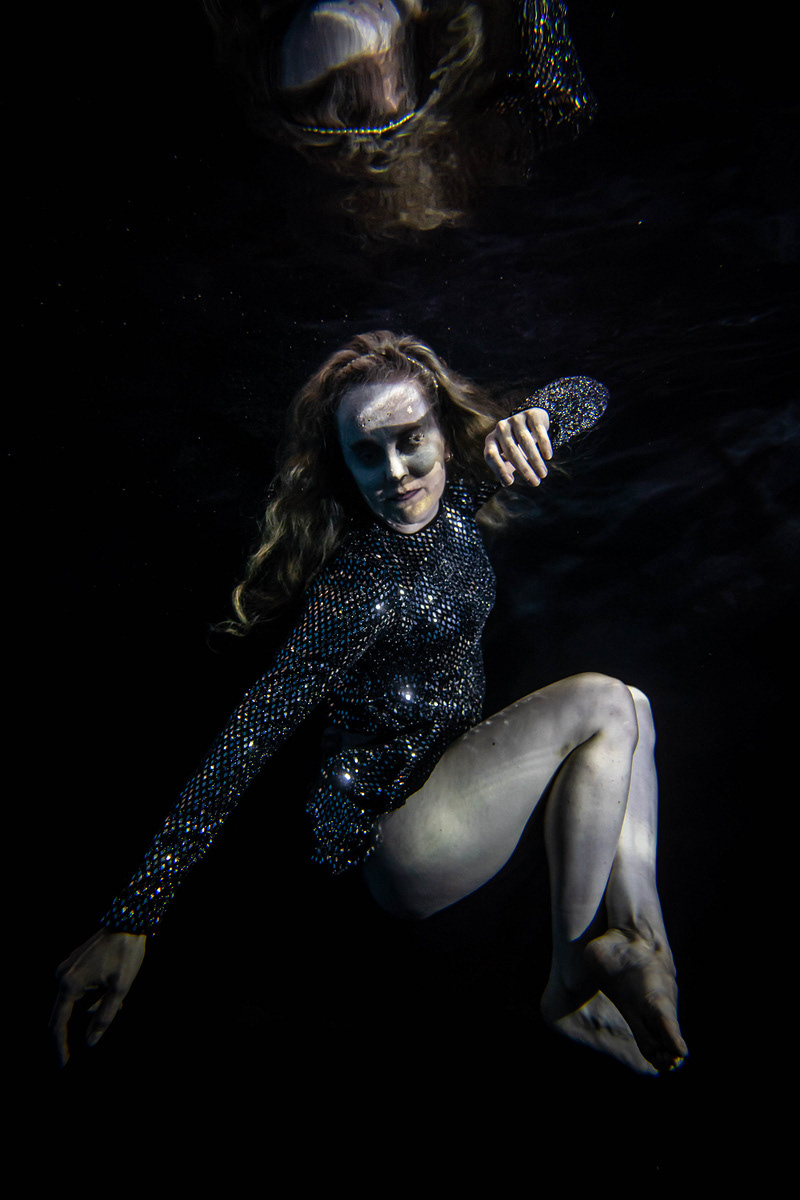
In creative and embodied therapeutic work, honouring the shadow is not about immersion. It is about relationship. Knowing when to approach, when to pause, and when to step back into the shallows.
What I Mean by “Shadow”
When I speak about shadow, I’m not only talking about trauma or pain — though those can live there. Shadow can also hold:
Unexpressed emotions
Unlived desires
Grief without language
Anger that was never allowed
Sensitivity mistaken for weakness
Parts of the self that adapted in order to survive
Shadow is not inherently dark or dangerous. It is simply what has been asked to wait.
It can also be simply a place of peace, quiet, stillness and calm - a place of escape from the bright light and over stimulation of the world.
Why Getting Lost Happens
Getting lost in the shadow often isn’t about curiosity — it’s about urgency.
The belief that we must fix, understand, or resolve everything immediately can pull us too far, too fast. Especially for bodies and nervous systems that have already learned what it feels like to be overwhelmed.
Depth without containment can feel like drowning.
This is why insight alone is rarely enough. Without regulation, without rhythm, without a way back to the surface, shadow work can leave people feeling more fragmented rather than more whole.
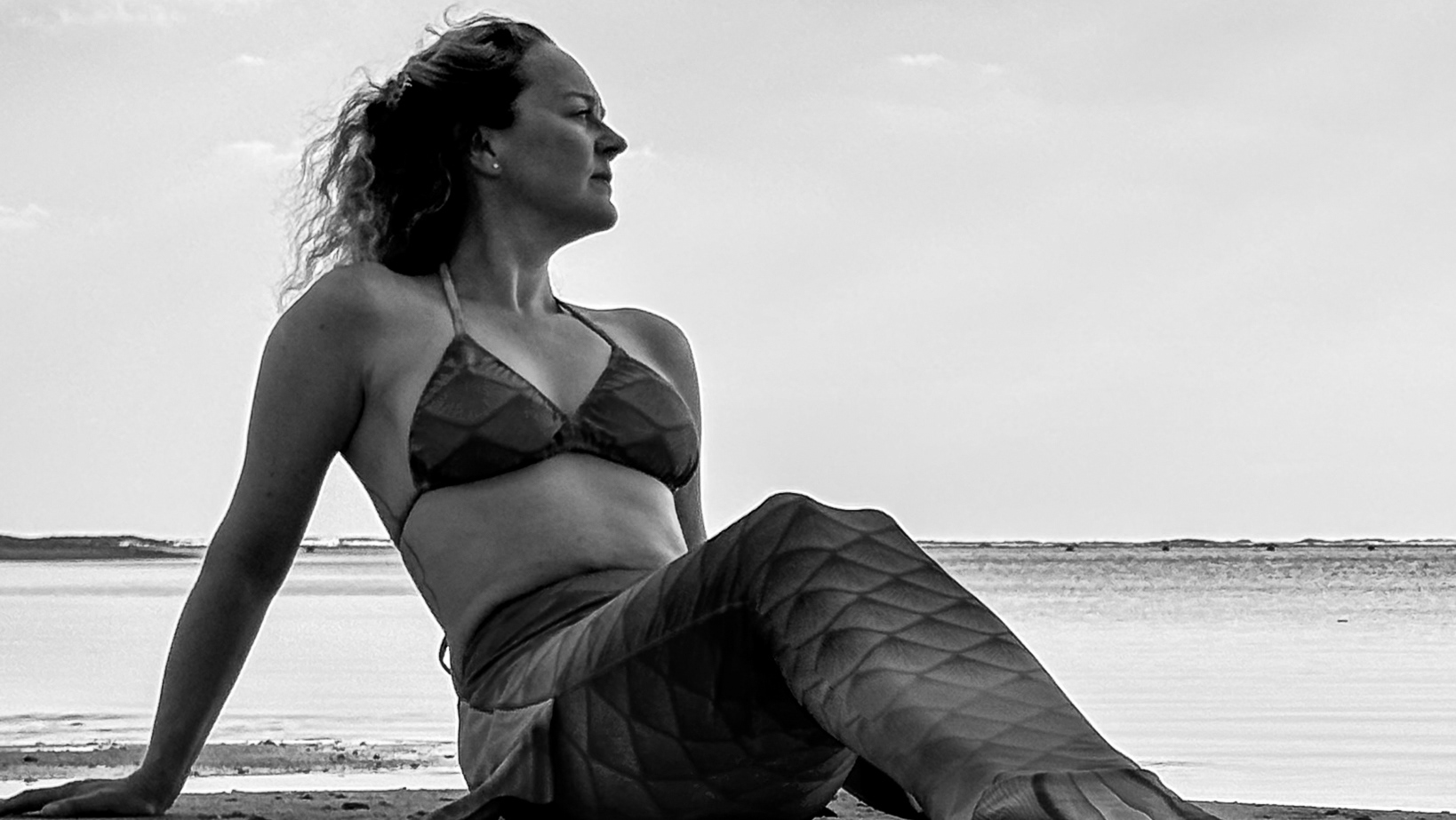
The Ocean Knows About Depth and so the sea offers a different model.
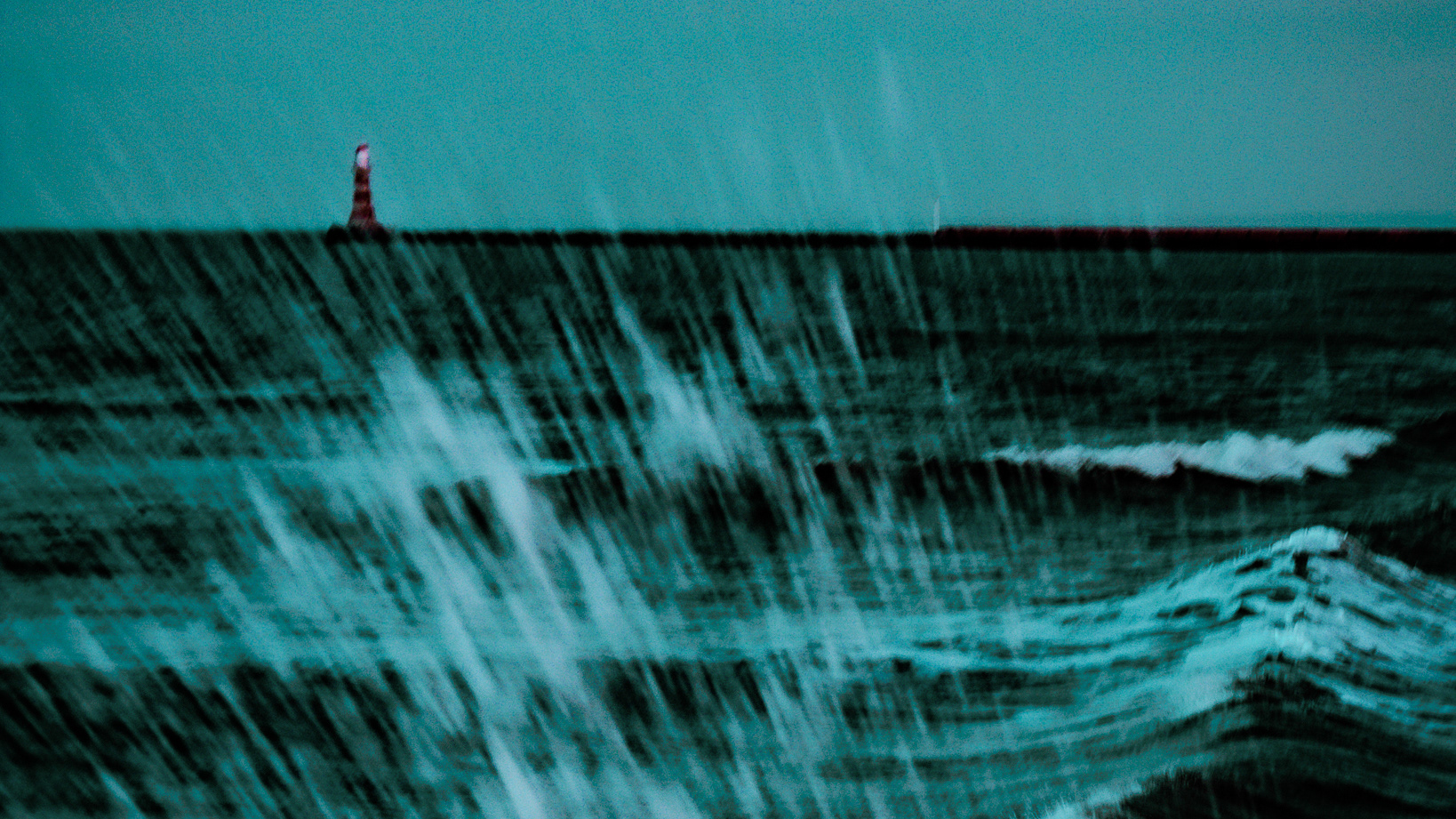
At sea, depth is not accessed all at once. Tides shift. There is constant movement between below and above, between immersion and air.
You don’t live in the depths.
You visit them.
You visit them.
Ocean-informed practice honours this natural oscillation. It respects that creative therapy needs buoyancy — moments of movement, sensation, play, rest and grounding that allow the system to integrate what has been touched.
Shadows Do Not Require Stillness
For many people, stillness is where shadow feels loudest — even overwhelming. Silence can amplify what the body has been holding.
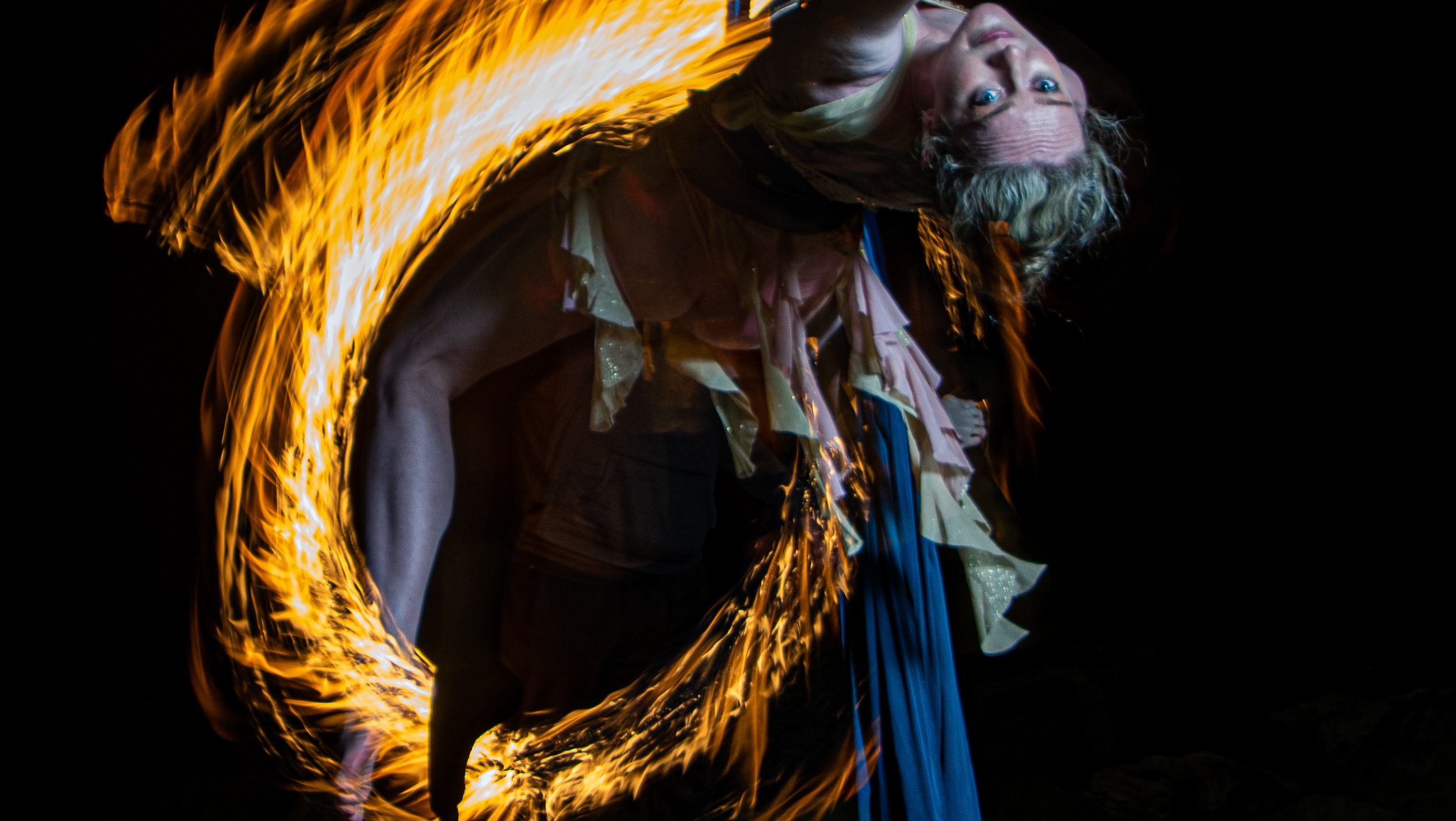
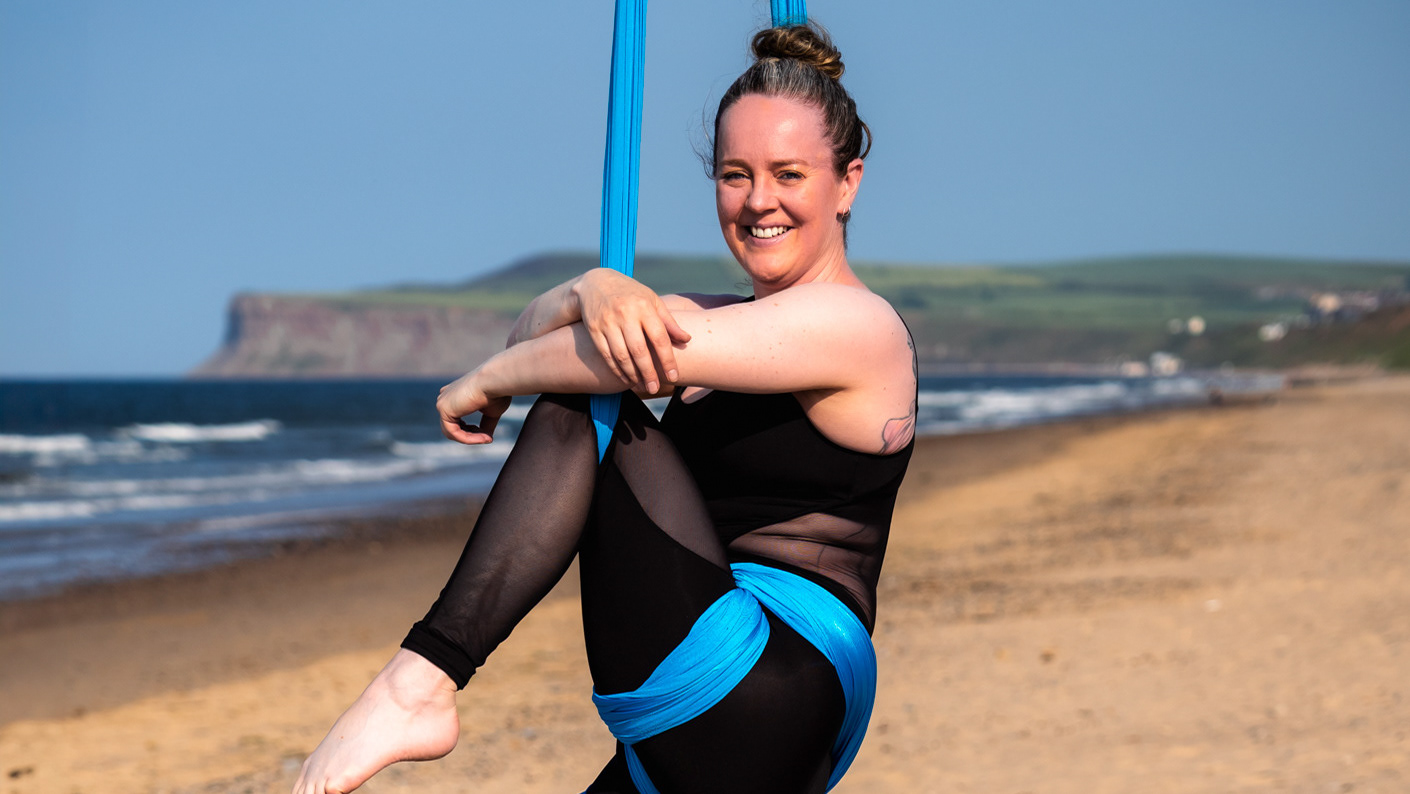
Movement, dance, aerial exploration, imagination and myth all allow shadow to express itself sideways — through metaphor, gesture, sensation and story rather than direct narration.
Sometimes the shadow wants to move.
Sometimes it wants to be witnessed without words.
Sometimes it wants to soften through creativity.
Sometimes it wants to be witnessed without words.
Sometimes it wants to soften through creativity.
Honouring that choice is part of safety.
Circling the Shadow
Rather than entering the shadow head-on, I often work by circling it.
Approaching gently.
Backing away when needed.
Returning later, differently.
Backing away when needed.
Returning later, differently.
Circles allow shadow to exist without domination. There is no demand for confession or catharsis. Instead, there is curiosity, pacing, and consent.
This approach trusts the body’s intelligence. It understands that what is ready to emerge will do so — when the conditions are right.
Shadow as a Source of Resource
When held with care, shadow is not only something to survive — it can become a source of richness.
Shadow holds creativity.
It holds myth.
It holds the parts of us that know how to adapt, imagine, endure and transform.
It holds myth.
It holds the parts of us that know how to adapt, imagine, endure and transform.
It means remembering that you are allowed to ebb, flow and surface.
Always.