Why Circles Matter: Containment, Return and Safety
Circles appear everywhere in my work.
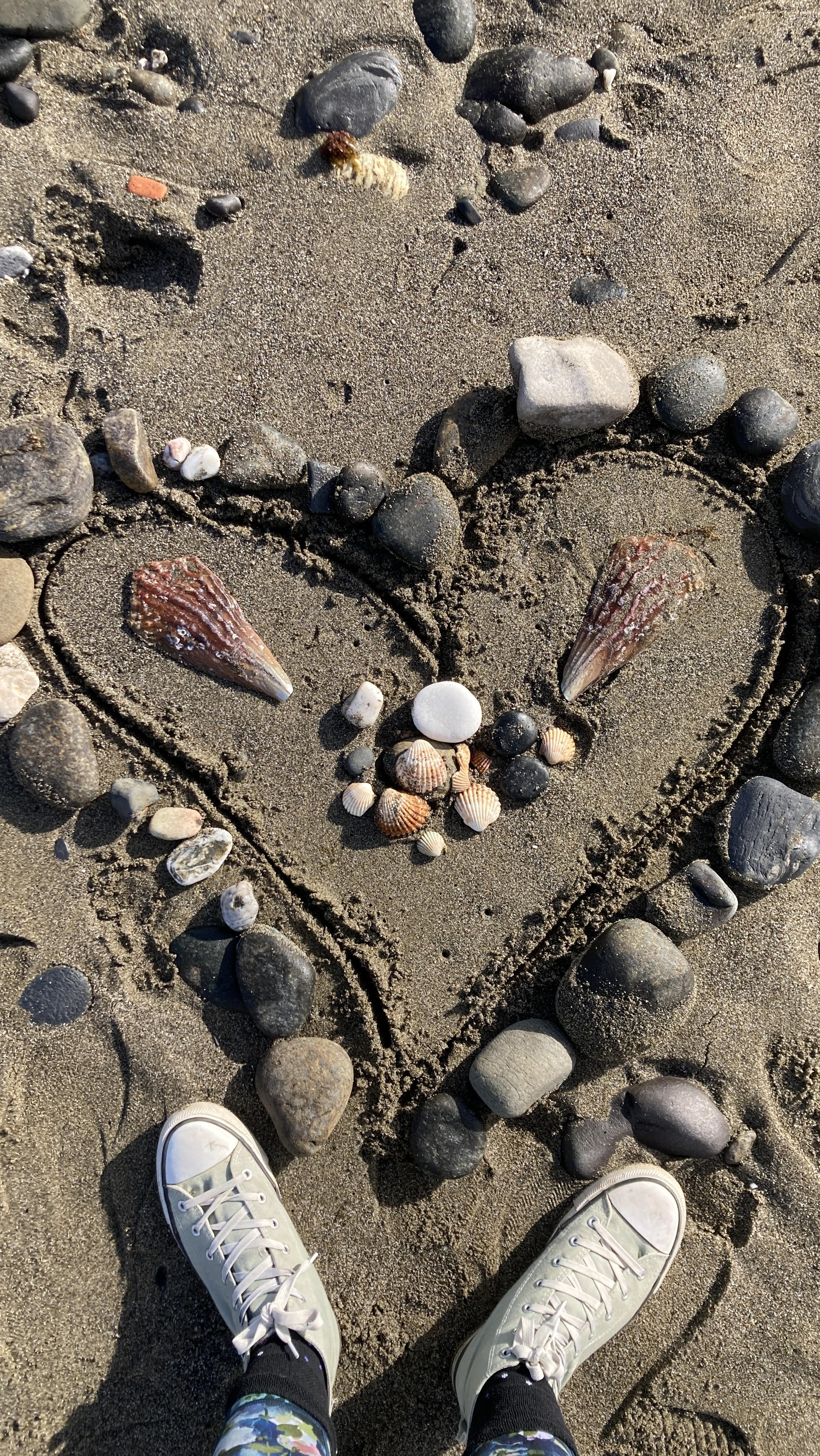
Sometimes they are obvious — people together in a circle, a shared practice that begins and ends together, or a repeated pattern in a sketch book.
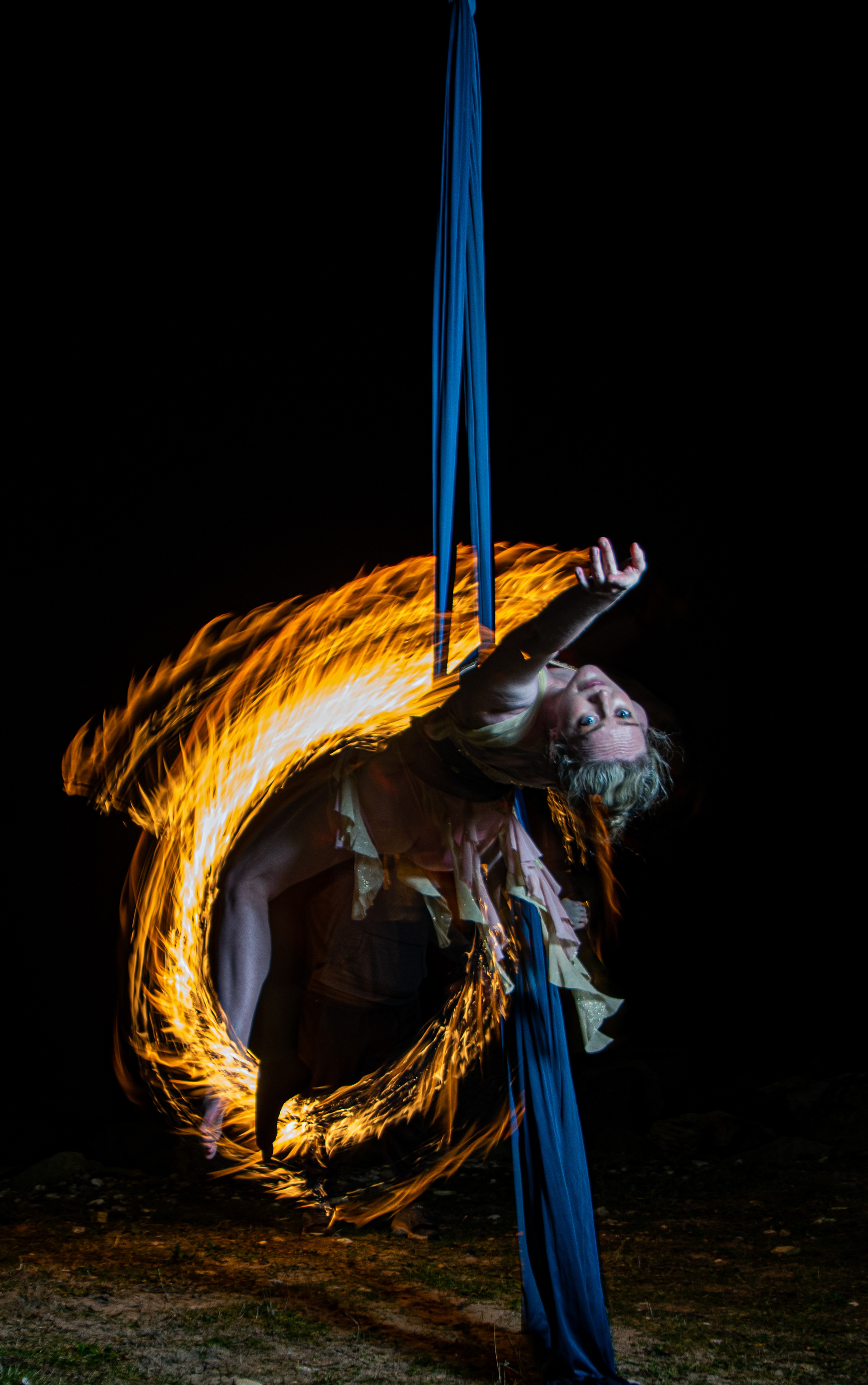
Sometimes they are quieter — a movement that loops back on itself, a breath that rises and falls, the tide turning without needing to be asked.
Sometimes they are quieter — a movement that loops back on itself, a breath that rises and falls, the tide turning without needing to be asked.
I didn’t choose circles deliberately at first.
They chose me.
They chose me.
Circles as Containment
In a world that often feels sharp-edged, fast and fragmented, circles offer something rare: containment.
A circle has no hierarchy.
No front, no back.
No place that is “more important” than another.
No front, no back.
No place that is “more important” than another.
In therapeutic and creative practice, containment is not about restriction. It is about enoughness — enough structure to feel held, enough boundary to allow softness inside.
When we work in circles — physically, imaginatively, or symbolically — the nervous system receives a quiet message:
You are not exposed.
You are not being watched from behind.
You are allowed to be here.
You are not being watched from behind.
You are allowed to be here.
This is why circles have been used for thousands of years in ritual, storytelling, healing and gathering. They are one of the oldest technologies of safety we have.
Circles and the Body
The body understands circles instinctively.
The rhythm of breath.
The pulse of the heart.
The cycle of tension and release.
The pulse of the heart.
The cycle of tension and release.
Unlike linear models of “progress”, the body rarely moves in straight lines. It revisits. It loops. It spirals. It returns to places it has been before — not because something has gone wrong, but because integration takes time.
In embodied work, circles allow us to move without the pressure of “getting somewhere”. There is permission to pause, to repeat, to change direction mid-way, knowing there is no edge to fall off.
This is especially important for people who have learned — through injury, illness, trauma or burnout — that pushing forward can feel unsafe.
Circles say: you don’t have to push.
Return Without Failure
One of the quiet harms of modern wellbeing culture is the idea that returning means failing.
Returning to rest.
Returning to support.
Returning to the same questions again.
Returning to support.
Returning to the same questions again.
But in nature, return is not regression — it is intelligence.
The tides return.
The moon returns.
The seasons circle back, carrying memory forward rather than erasing it.
The moon returns.
The seasons circle back, carrying memory forward rather than erasing it.
In creative therapeutic practice, returning is often where the real work happens. Each time we come back to a movement, a myth, a sensation, we meet it differently. We are not starting over. We are arriving with more information.
Circles hold this truth gently. They remind us that healing, creativity and self-care are not linear journeys with a finish line, but living processes that unfold in their own time.
Safety Without Stillness
For some people, stillness feels safe.
For others, it doesn’t.
For others, it doesn’t.
Circles allow safety to be dynamic.
A circle can hold movement, sound, sway, dance, imagination. You can step forward and step back. You can be seen and then soften into the edge. You can participate fully, or quietly witness.
This flexibility is essential in embodied work. Safety is not a fixed state — it is a relationship. One that changes day to day, moment to moment.
Circles adapt without collapsing.
Circles, Shadows, and the Sea
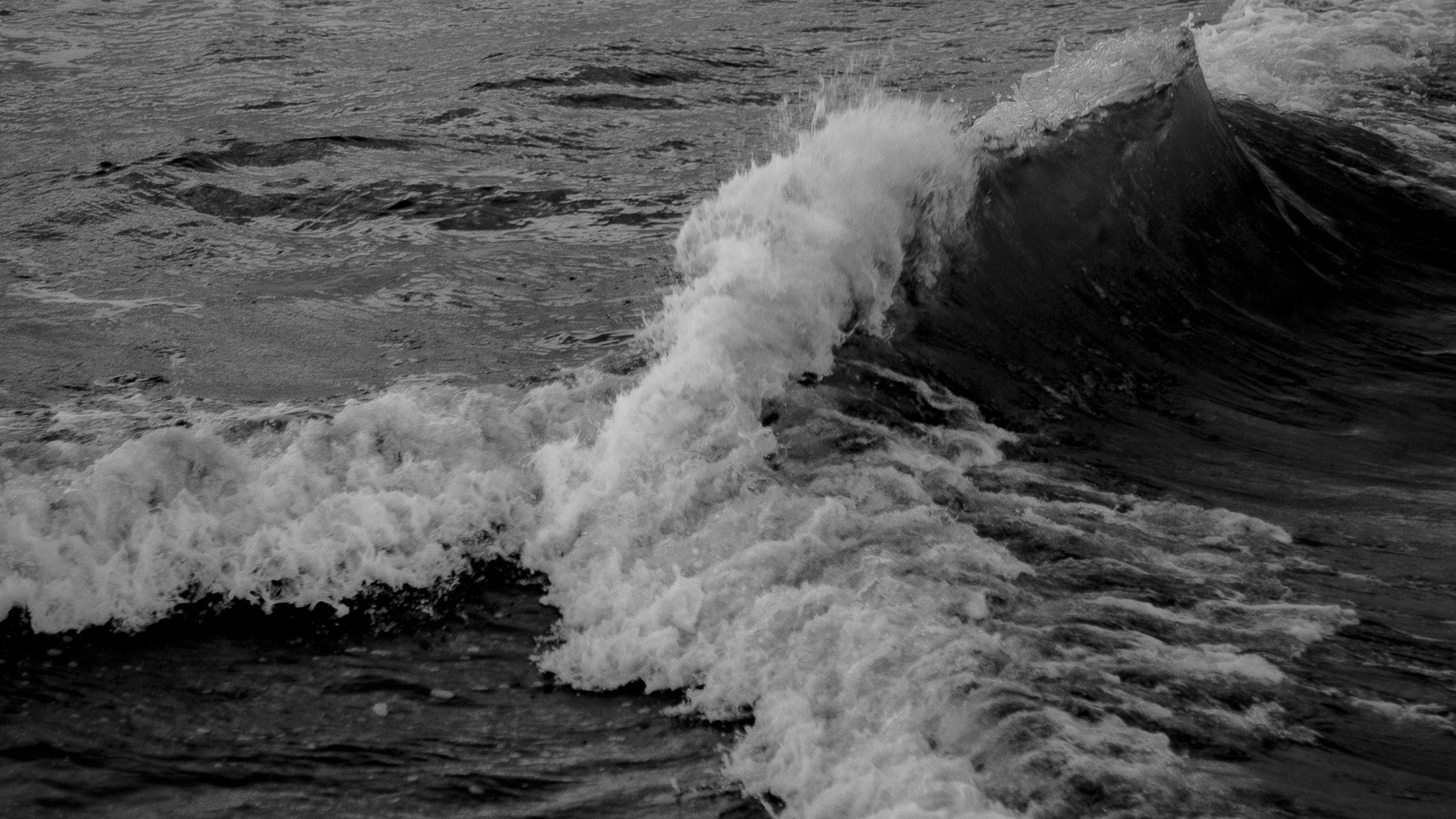
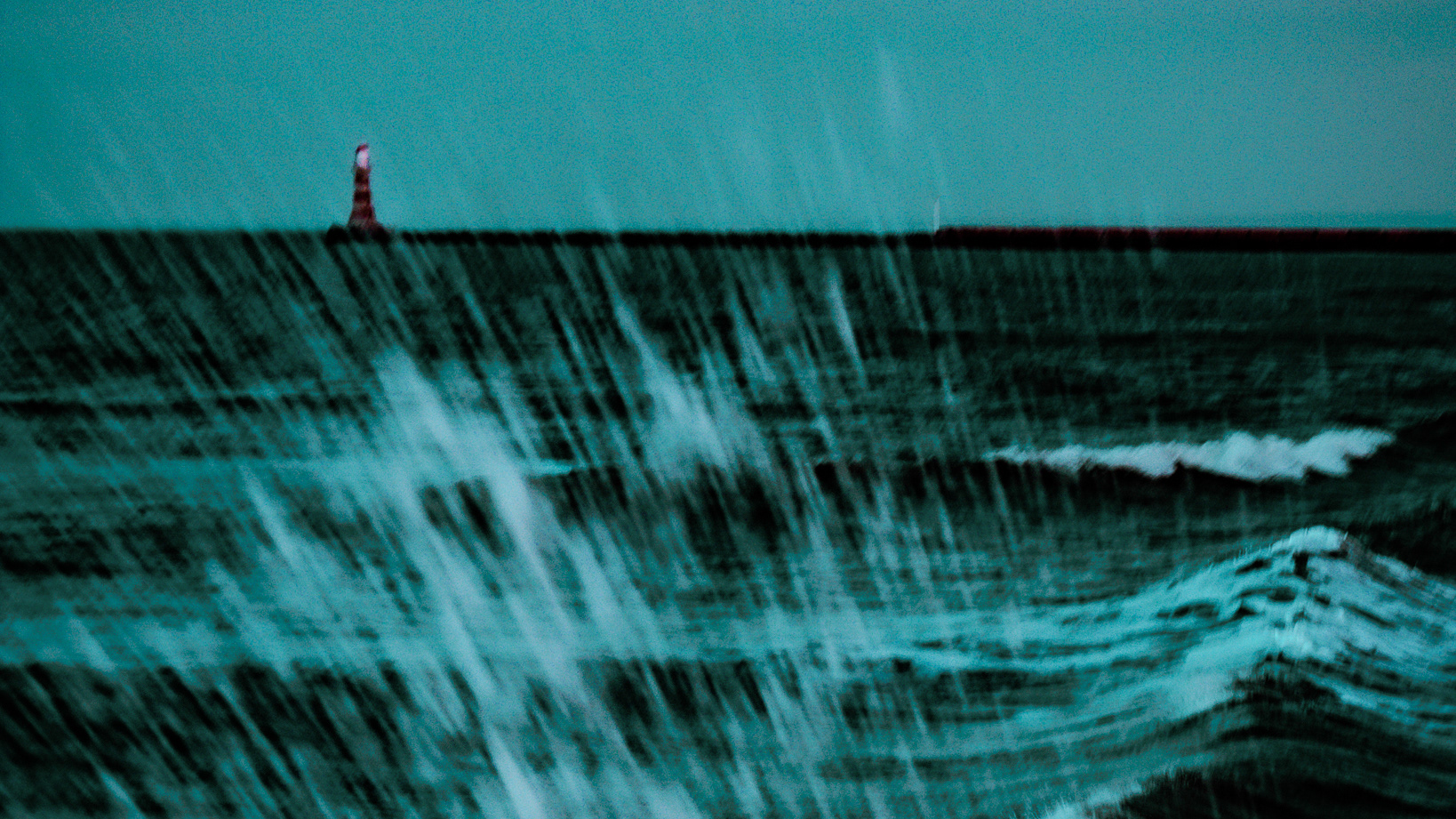
At sea, there are no straight lines.
Currents curve.
Waves arrive, break, and reform.
Horizon meets horizon.
Waves arrive, break, and reform.
Horizon meets horizon.
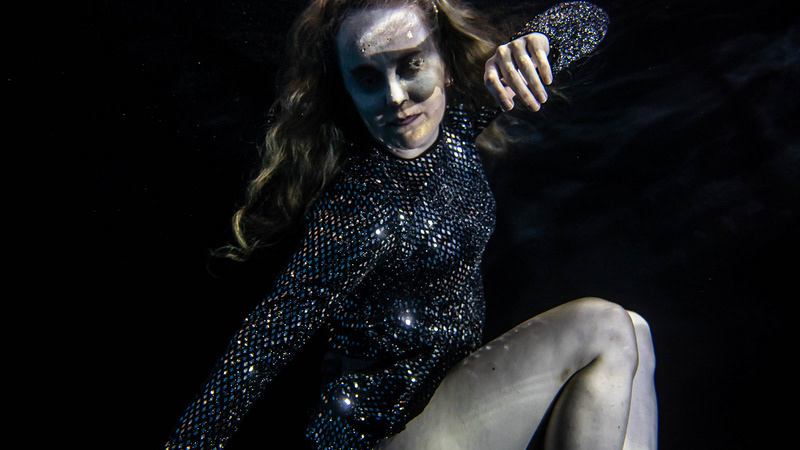
The ocean teaches us that depth and surface coexist, that light and shadow move together, that return is inevitable.
Working with circles allows shadow to be present without becoming overwhelming. There is room to touch difficult material and then move away again. To approach gently. To circle rather than confront.
This is not avoidance.
It is respect.
It is respect.
Why This Matters
In Circles & Shadows, circles are not just a shape — they are a philosophy of care.
They remind us that:
We are allowed to come back.
We do not need to be fixed to be held.
Safety can be spacious, creative, and alive.
The body already knows the way — if we give it enough room.
Whether through movement, myth, ocean-informed practice or creative exploration, the circle remains.
Always open.
Always returning.
Always enough.
Always returning.
Always enough.